Exploring the Rich Flavors of Coffee Beans: a Deep Study Espresso and Blended Coffee Beans
When you discover the rich flavors of coffee beans, you reveal a complex globe where each range brings its own personality to your cup. As you browse with the art of espresso and the creative thinking behind combined coffees, you'll start to appreciate the subtleties that make each sip one-of-a-kind.
The Origins of Coffee Beans: Discovering Terroir and Taste Profiles
When you take a sip of coffee, you're not just delighting in a drink; you're experiencing an abundant tapestry of tastes formed by the beans' origins. Each area creates unique taste profiles affected by environment, dirt, and elevation. Beans from Ethiopia often break with brilliant, fruity notes, while those from Colombia tend to provide a well balanced, nutty sweetness.
As you check out various origins, you'll observe how terroir-- the ecological factors impacting a plant-- plays a vital function - Single Origin Espresso. The very same coffee variety can taste substantially different depending upon where it's expanded
When you take into consideration these variables, you start to appreciate the intricacy behind your cup. Each sip tells a tale of the land and the farmers that nurtured the beans. Next time you delight, assume concerning the trip your coffee took before it reached your hands, and enjoy those complex tastes that mirror its beginning.
Comprehending Espresso: The Art and Science Behind the Brew
When you consider coffee, it's not nearly the solid flavor; it's likewise regarding the methods that bring it to life. Comprehending exactly how different preparation methods influence preference can transform your brewing experience. Let's explore the ins and outs of espresso preparation and uncover the unique flavor profiles that make each cup unique.
Espresso Preparation Strategies
Coffee prep work is both an art and a scientific research, combining specific techniques with a deep understanding of coffee. To start, you'll desire to select high-grade, newly roasted beans and grind them finely for optimal extraction (Single Origin Espresso). The work dimension is important; also crude, and your espresso will certainly be weak, as well fine, and it'll be bitter
Next, tamp the grounds equally in the portafilter to ensure uniform removal. When you lock it right into the device, go for a brewing temperature between 190 ° F and 205 °
F.As you draw the shot, look for the perfect removal time-- around 25-30 seconds. The outcome ought to be an abundant, luscious espresso with a stunning layer of crema on the top. With technique, you'll understand these strategies.
Taste Profiles Clarified
The globe of coffee supplies an abundant tapestry of taste accounts that can elevate your coffee experience. Light roasts frequently showcase brilliant acidity and vibrant flavors, while dark roasts present deeper, bolder tones.
Comprehending these accounts assists you pick the appropriate coffee for your palate. Experimenting with different blends can expose unusual mixes. A well-crafted blend may harmonize the bright notes of an Ethiopian bean with the rich, chocolatey touches of a Brazilian bean. Welcome the trip of discovering espresso's varied tastes, and you'll change your coffee ritual into an exciting journey.
Handling Methods: How They Impact Flavor and Aroma
While it could appear that the origin of coffee beans is one of the most considerable element in determining their taste and scent, the processing approaches used post-harvest play a just as crucial duty. You'll discover that these methods can significantly alter the last taste account of your mug.
As an example, the washed process gets rid of the fruit from the beans before fermentation, often resulting in a cleaner, brighter flavor. The natural procedure leaves the fruit intact throughout drying, resulting in a sweeter, fruitier account.
Other techniques, like honey handling, strike a balance, permitting some fruit mucilage to stay, giving a special complexity.
Each handling strategy engages with the beans' inherent features, enhancing or silencing specific flavors and fragrances. When you sip that coffee or combined coffee, remember that the journey from cherry to mug is affected not simply by origin but likewise by exactly how those beans were refined.
Toasting Techniques: Unlocking the Complete Potential of Coffee Beans
Roasting strategies are important for exposing the full capacity of coffee beans, as they transform raw, eco-friendly beans right into the fragrant, delicious coffee you take pleasure in. The selection of roasting technique-- light, medium, or dark-- considerably affects flavor profiles.
A slower roast at lower temperature levels enables for complicated flavors to establish, while a quicker roast can magnify resentment. By grasping these strategies, you'll disclose a globe of taste, raising your coffee experience to new elevations.
The Magic of Blended Coffee: Producing Distinct Taste Experiences
Producing a distinct taste experience with mixed coffee can transform your early morning ritual right into an expedition of preference. By combining various beans from different areas, you can expose a harmony Single Origin Espresso of flavors that boost your cup to brand-new elevations. Each mix offers an unique profile, balancing body, sweet taste, and acidity to develop something really unique.
When you choose a mix, you're not just choosing a coffee; you're selecting a journey throughout varied landscapes and cultures. Explore different combinations enables you to uncover your personal faves, whether you delight in fruity notes or abundant, chocolatey touches.
Tasting Notes: Identifying the Nuances in Your Mug
As you drink your coffee, you might discover a range of tastes dancing on your palate, each revealing the ins and outs of the beans. You might taste the intense acidity evocative citrus or the deep, abundant notes akin to dark chocolate. The sweetness might stimulate honey or sugar, stabilizing the total profile wonderfully.
Focus on the body of the coffee-- does it feel light and airy, or is it full and velvety? The coating, also, supplies clues; a lingering aftertaste may hint at nuttiness or floral touches.
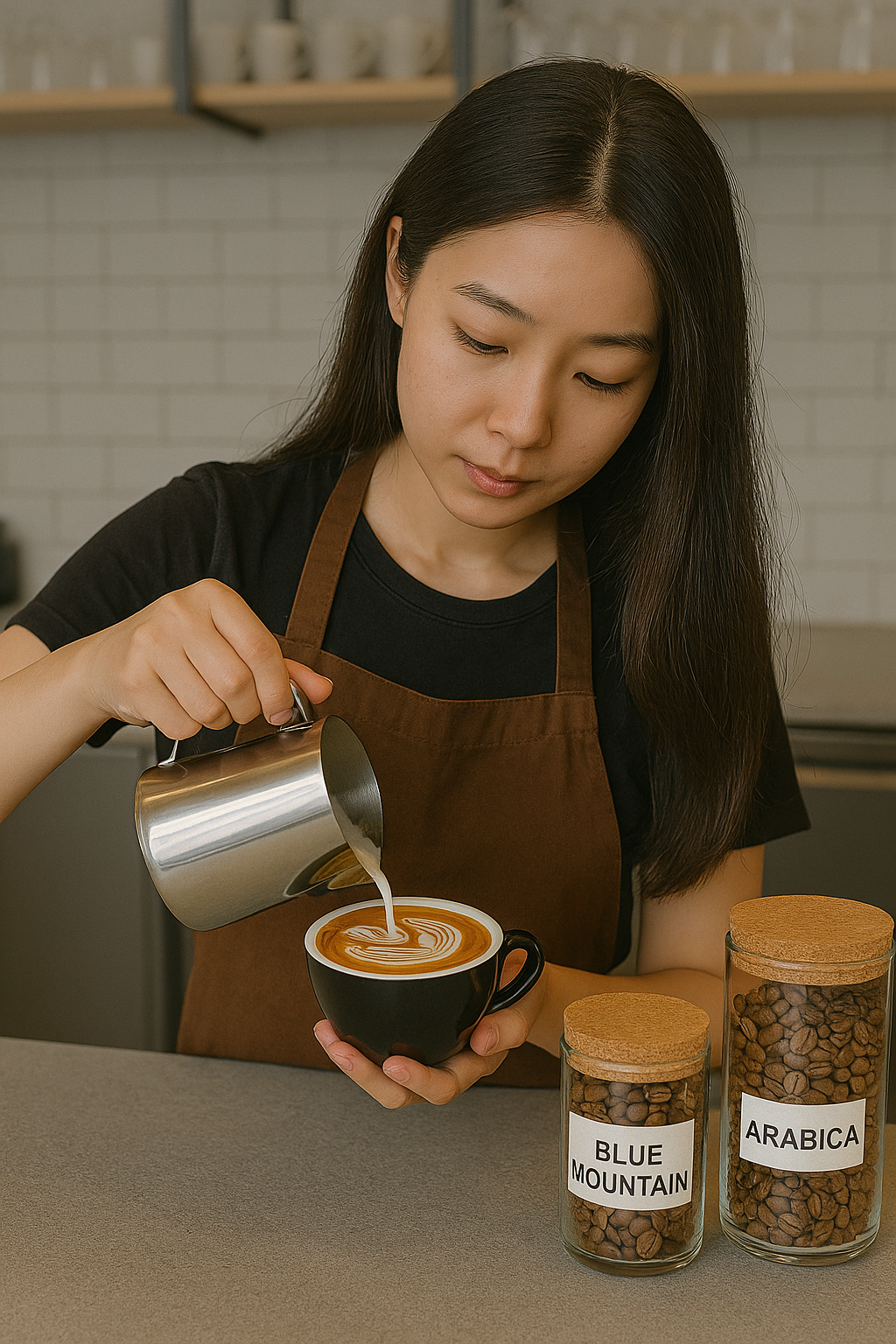
Do not fail to remember to check out the distinct qualities of different origins, as each area presents distinctive tastes - Single Origin Espresso. As an example, Ethiopian coffees frequently existing fruity notes, while Colombian beans could display a much more rounded sweet taste. By recognizing these subtleties, you'll grow your appreciation for each and every mug, elevating your coffee experience to brand-new elevations

Brewing Techniques: Making The Most Of Flavor Removal for every single Bean
When you explore the different brewing approaches, you'll find that each technique can considerably impact the taste profile of your coffee. From French press to pour-over, each method removes different compounds, boosting or muting details notes. As an example, using a French press permits oils to stay in the mixture, producing a richer preference, while pour-over emphasizes quality and brightness.
Temperature level and grind dimension additionally play important functions. A coarser grind works best for cold brews, while a great work is ideal for espresso. Try out water temperature-- between 195 ° F and 205 ° F-- can disclose covert tastes, also.
Don't forget steeping time; a quick removal can lead to sour notes, while over-extraction may produce anger. By adjusting these variables, you can take full advantage of taste extraction and really raise your coffee experience. Take pleasure in the journey of uncovering what method finest fits your taste!
Frequently Asked Concerns
What Is the Suitable Water Temperature Level for Developing Coffee?
The perfect water temperature for developing coffee's in between 195 ° F and 205 ° F. If you use water that's as well warm, you'll over-extract tastes; also cool, and you will not extract enough. Objective for that wonderful area for the very best mixture!
How Does Grind Size Affect Coffee Flavor?
Grind size significantly affects coffee flavor. Finer grinds essence much more tastes and oils, causing a bolder preference, while coarser grinds yield a lighter taste. Readjusting work size helps you achieve your desired coffee profile.
Are There Health Perks Linked With Alcohol Consumption Coffee?

What Is the Distinction In Between Arabica and Robusta Beans?
Arabica beans are smoother and sweeter, frequently featuring fruity tastes, while robusta beans are more powerful with a bitter preference and greater caffeine content. You'll observe these differences in aroma and developing experience.
Exactly How Can I Store Coffee Beans for Freshness?
To save coffee beans for quality, keep them in an airtight container, far from warm, light, and moisture. You'll maintain their taste longer if you just grind what you need right before developing.
Discovering the Abundant Flavors of Coffee Beans: a Deep Dive Into Coffee and Blended Coffee Beans.
When you explore the rich tastes of coffee beans, you discover a complex globe where each variety brings its very own character to your mug.When you take a sip of coffee, you're not just delighting in a beverage; you're experiencing a rich tapestry of tastes shaped by the beans' beginnings.Roasting methods are vital for revealing the complete potential of coffee beans, as they change raw, green beans right into the fragrant, delicious coffee you enjoy.As you drink your coffee, you could observe a range of flavors dancing on your taste, each exposing the details of the beans.
Comments on “Why Espresso Fans Prefer SOE Single Origin Espresso for Authenticity”